Best Time to Visit Bukit Lawang for Orangutan Trekking
When is the best time to see orangutans in Sumatra? Compare Bukit Lawang weather, dry vs wet season trail conditions, sighting odds, and month-by-month tips.
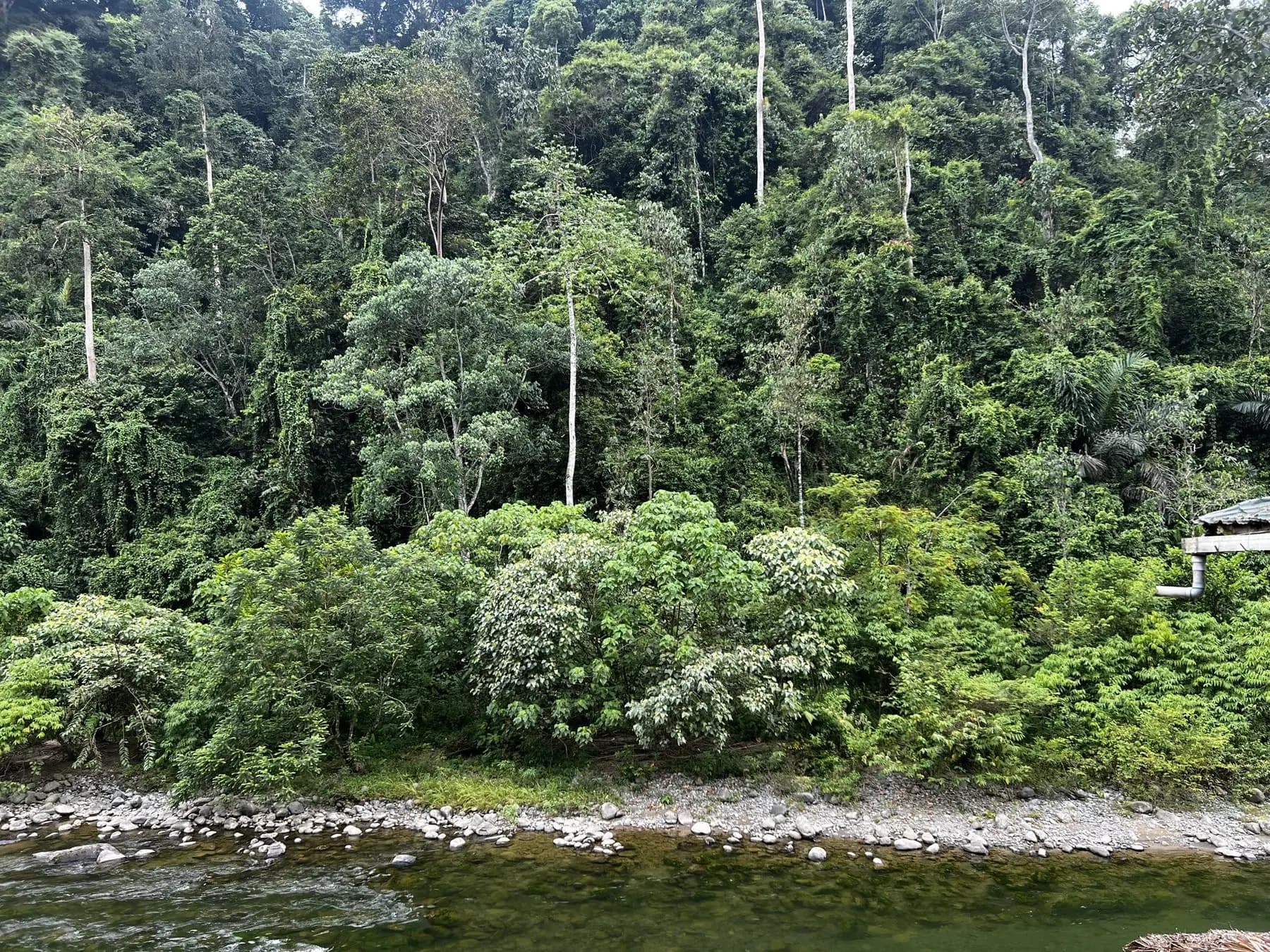
Field guide / Best time to see orangutans in Sumatra
The short answer
The best time to visit Bukit Lawang to see orangutans in Sumatra is generally during the drier months from March to September. Trails are still humid and muddy in places, but the forest is often easier to walk, river crossings are more predictable, and travel days feel simpler. If you are comparing routes, check our ethical Bukit Lawang orangutan trek options (1 to 5 days) to match your timing with trail difficulty.
That does not mean the rest of the year is bad. Bukit Lawang is rainforest, so rain can happen in any month. The better question is not only "Will it rain?" but "What kind of trek do I want, and how much flexibility do I have?"
If this is your first Sumatra jungle trek, a 2-day or 3-day orangutan trekking route in the drier season is the easiest starting point. If you are comfortable with wet trails and want a quieter village rhythm, the wetter months can still work with the right expectations.
March to May: a strong balance
March, April, and May are often a good window for travelers who want a balance of manageable weather and lighter crowds. The forest is green, the river usually has enough movement for a good return, and the trail can be comfortable enough for first-time jungle trekkers.
This is a useful season if you are planning a 3-day orangutan trekking Sumatra route or exploring longer custom Bukit Lawang orangutan treks. Three days gives you enough time to slow down, let guides read the forest, and avoid treating the trek like a rushed photo hunt.
Pack for rain anyway. A dry-season trek in Bukit Lawang still needs a rain cover, quick-dry clothes, and a dry bag for electronics.
June to August: popular and practical
June, July, and August are popular travel months across Indonesia. For Bukit Lawang, this period is practical because many travelers are already moving through Sumatra, flights are easier to coordinate, and the trails are often more straightforward than during heavier rains.
The tradeoff is demand. Lodges, guides, and transfers can book up sooner. If you are traveling with a fixed date, message early and share your arrival time, group size, and preferred trek length.
This period works well for travelers who want a reliable first experience: orangutan tracking, riverside camp, jungle meals, and a tube-rafting return to the village.
September: still a good choice
September can be one of the better months for travelers who want the practical feel of the drier season without the strongest holiday crowds. Conditions vary year to year, but September often remains a good time to plan a 2-day or 3-day trek.
It is also a good month if you want more breathing room in your itinerary. Add one night in Bukit Lawang before the trek and avoid arriving on the morning you plan to enter the forest. That extra night gives you time to confirm gear, sleep properly, and start with a calmer pace.
October to February: wetter, quieter, still possible
October through February is generally wetter. Trails can become slippery, small streams can rise, and heavy rain can change the pace of the day. This does not automatically cancel trekking, but it does make guide judgment more important.
The benefit is that the village can feel quieter. If you do not mind mud, leeches, wet shoes, and slower walking, this season can still offer a strong rainforest experience. You should be flexible with timing and open to route adjustments if the river or trail conditions change.
For wetter-season travel, avoid overpacking. A heavy bag becomes frustrating quickly when the ground is soft and humid. Use the Sumatra jungle trek packing list before you finalize your backpack.
What weather means on the trail
Bukit Lawang weather is not only about sunshine. The real trail impact comes from several conditions at once:
- Mud on climbs and descents, especially after night rain.
- Higher river levels that can change break spots or rafting timing.
- More humidity, which makes heavy cotton clothing uncomfortable.
- Slower walking pace because roots and slopes become slippery.
- More need to protect phones, cameras, passports, and dry clothes.
Good guides adjust the day around these conditions. A responsible trek does not force a planned route when the forest and river are saying something different.
What is the best time to see orangutans in Sumatra?
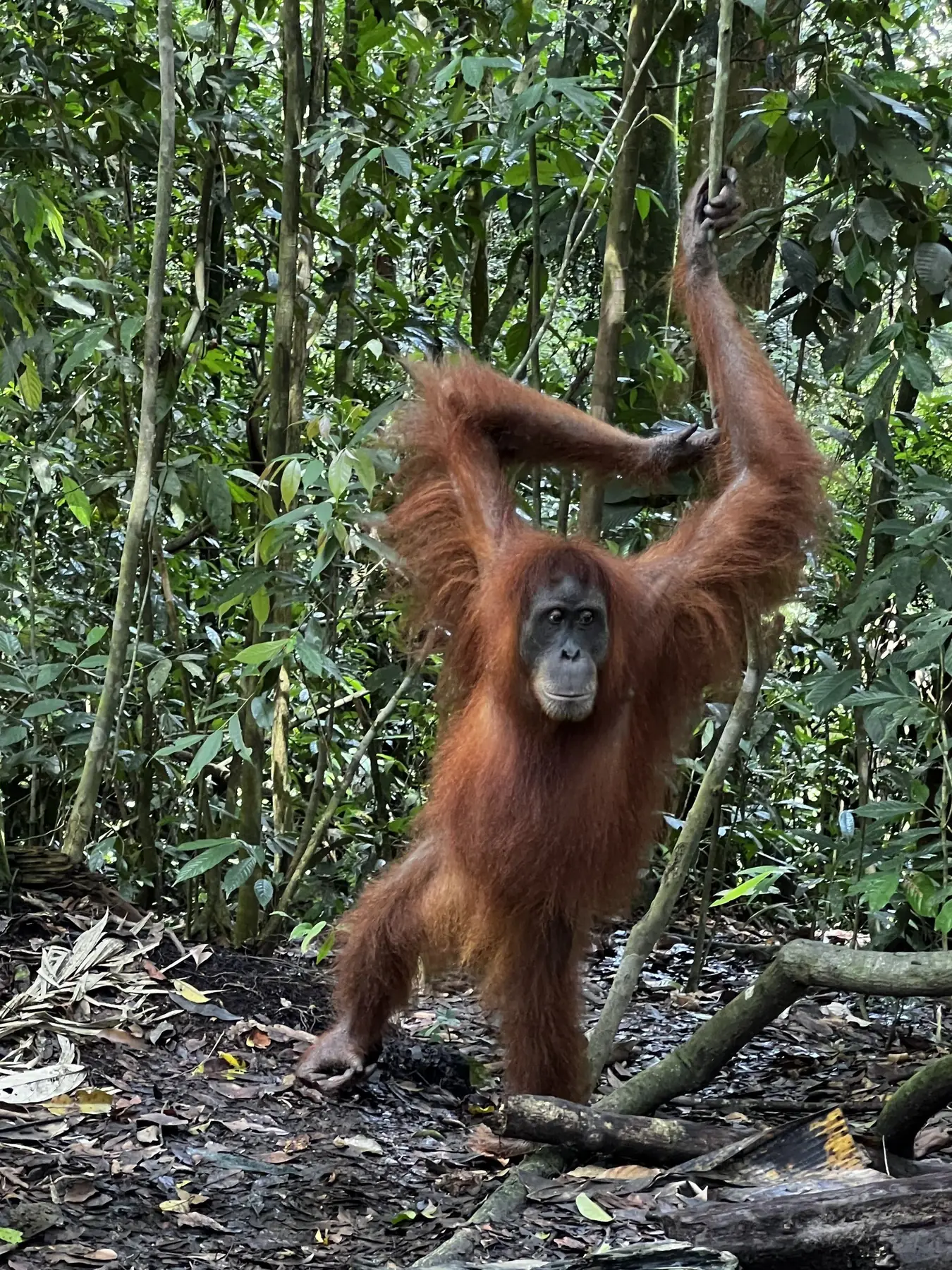
Many travelers ask which month is best for seeing orangutans. The honest answer is that sightings are never guaranteed by month. Orangutans are wild or semi-wild animals moving through a living forest in Gunung Leuser National Park. Weather, fruiting seasons, trail conditions, and animal behavior all matter.
The most ethical approach is to choose an experienced local guide, keep your group small, move quietly, and stay patient. Slower trekking gives wildlife sightings room to happen naturally without pressure or artificial feeding.
Read the ethical orangutan trekking guide before you book if wildlife behavior is the main reason for your trip.
How many days should you choose?
For most travelers, the best time of year matters less than choosing the right duration.
- Choose 1 day if you have limited time and want a guided introduction near Bukit Lawang.
- Choose 2 days if you want one night in a simple riverside camp.
- Choose 3 days if you want the best balance of wildlife tracking, camp rhythm, river breaks, and rafting return.
A 3-day trek is usually the strongest fit for travelers who came to Sumatra specifically for orangutan trekking. It gives the guide more time to manage pace and conditions, especially if rain changes the plan.
Booking advice by season
If you travel from March to September, book earlier if your dates are fixed. This is especially important in June, July, and August. If you travel from October to February, keep one buffer day around your trek when possible.
Before you confirm, send these details:
- Your arrival date in Bukit Lawang.
- Your group size.
- Your preferred trek duration.
- Your fitness level and previous hiking experience.
- Any food needs, medical notes, or gear questions.
These details help the local crew recommend a route that fits the season and your group.
Frequently asked questions
What is the best month to see orangutans in Bukit Lawang?
Orangutans are present year-round in Gunung Leuser National Park. However, March to September offers the most comfortable trekking conditions with less rainfall and firmer trails.
Can you do jungle trekking during the rainy season?
Yes. Rain in Bukit Lawang typically falls in short afternoon or evening bursts. Treks continue safely throughout October to February with appropriate waterproof gear and experienced guides.
Which trek package is most popular in Bukit Lawang?
The 3-day orangutan trekking route is our most requested package because it balances deep jungle tracking, two riverside camp nights, and the traditional tube-rafting river return.
Final recommendation
For most first-time visitors, March to September is the best time to visit Bukit Lawang. June to August is practical but busier. March to May and September can feel more balanced. October to February can still be rewarding if you accept wetter trails and allow more flexibility.
If your goal is a calm, ethical orangutan trekking experience, prioritize guide quality, small groups, realistic pacing, and a route that can adapt to the forest. The best season helps, but good decisions on the trail matter more.
You can compare current Bukit Lawang jungle trekking packages or start with the recommended 3-day deep jungle trek.