Ethical Orangutan Trekking Guide in Gunung Leuser
Learn how to choose an ethical orangutan trek in Bukit Lawang, keep a safe wildlife distance, avoid feeding, and support responsible local guides.
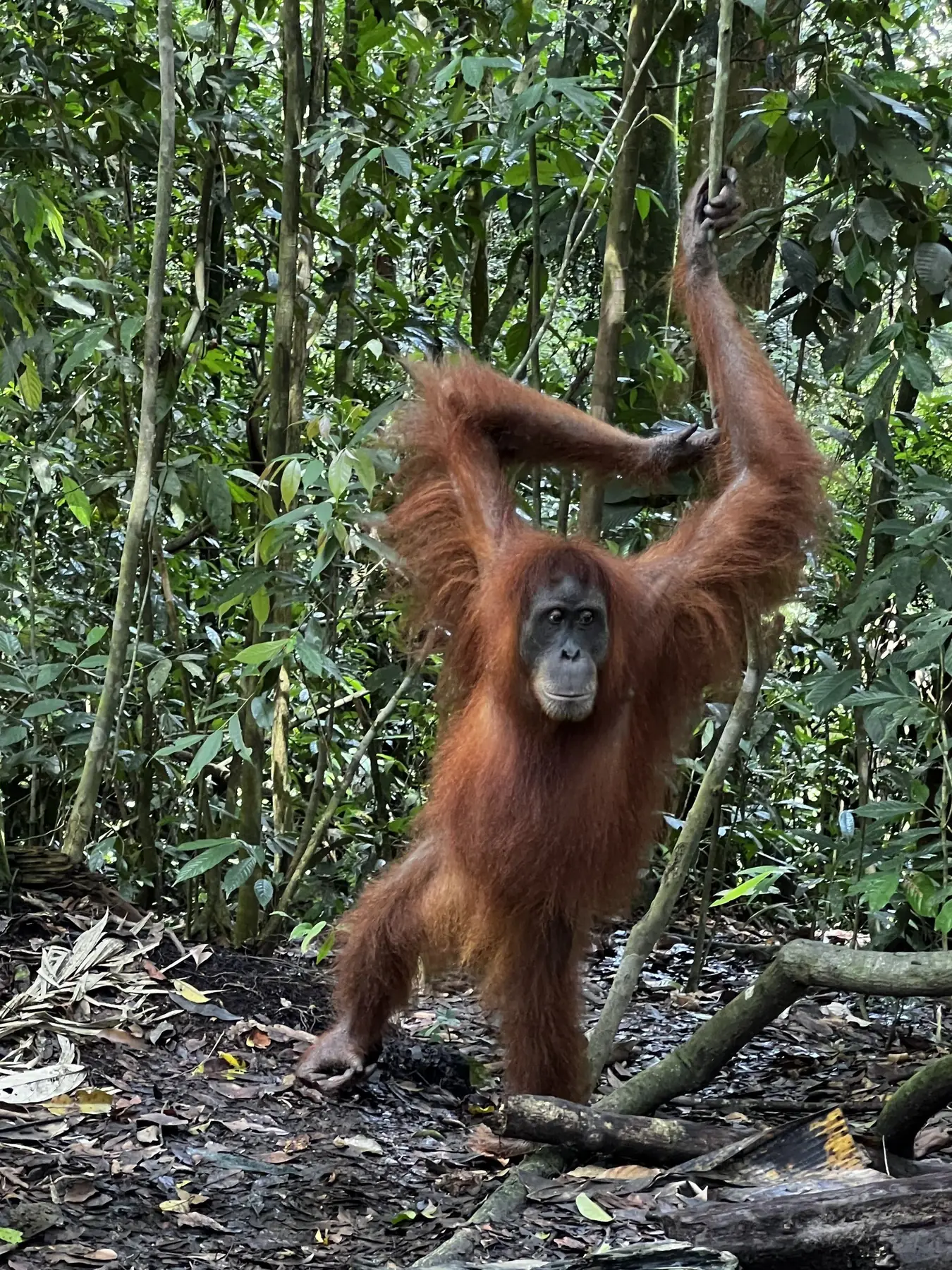
Field guide / Ethical orangutan tour Sumatra
Ethical trekking starts before the trail
Seeing a Sumatran orangutan in the rainforest is a privilege. It should not feel like a staged show, a feeding session, or a race to get close. Ethical orangutan trekking in Sumatra depends on the decisions guests, guides, and operators make before anyone steps into the forest.
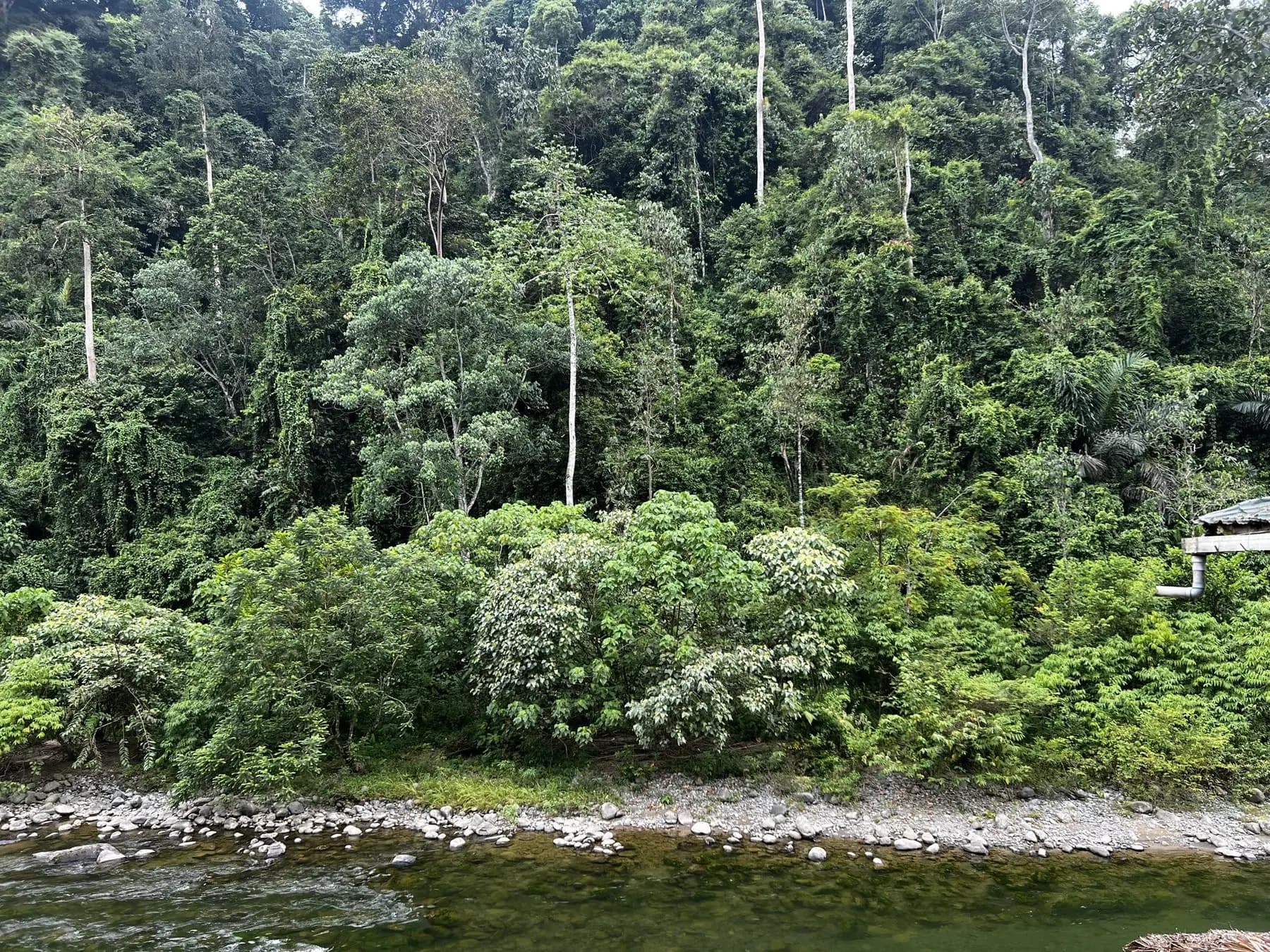
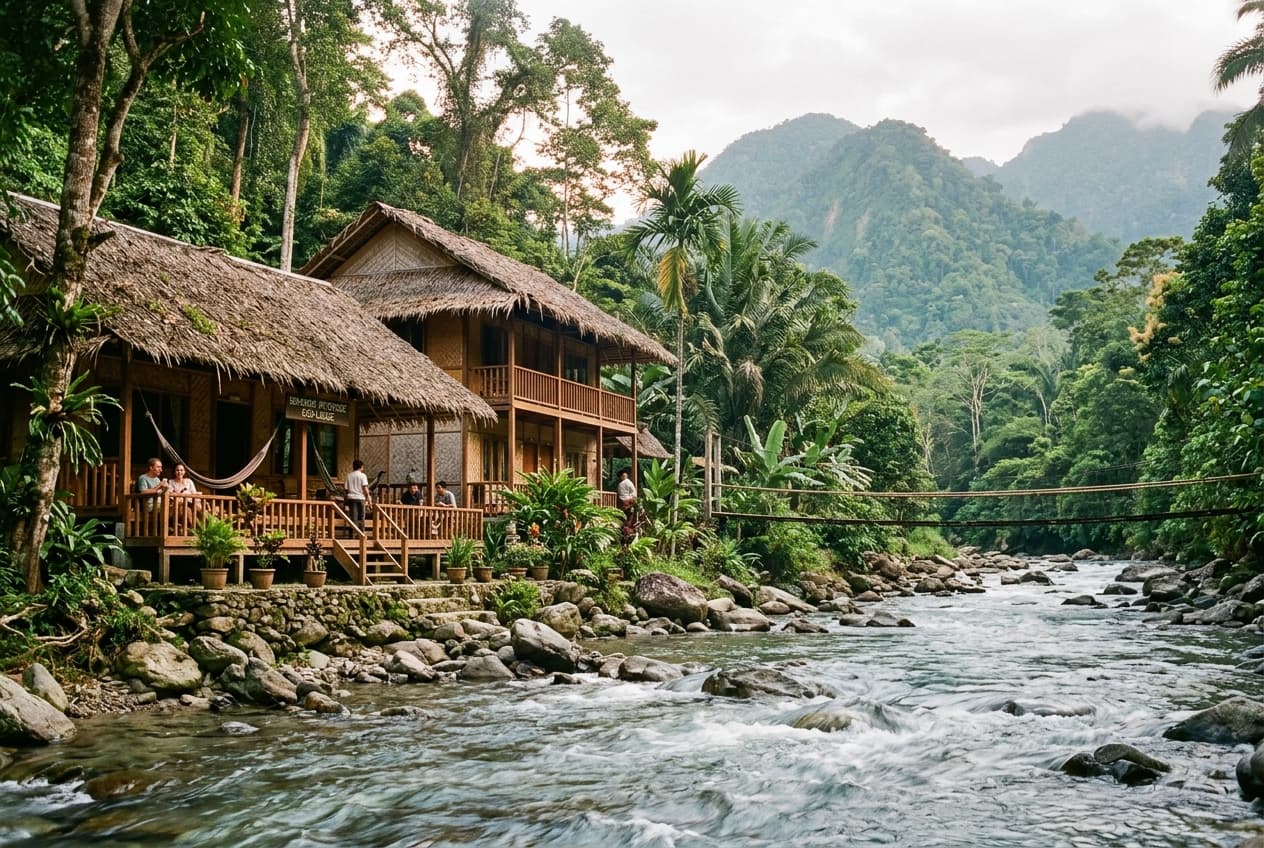
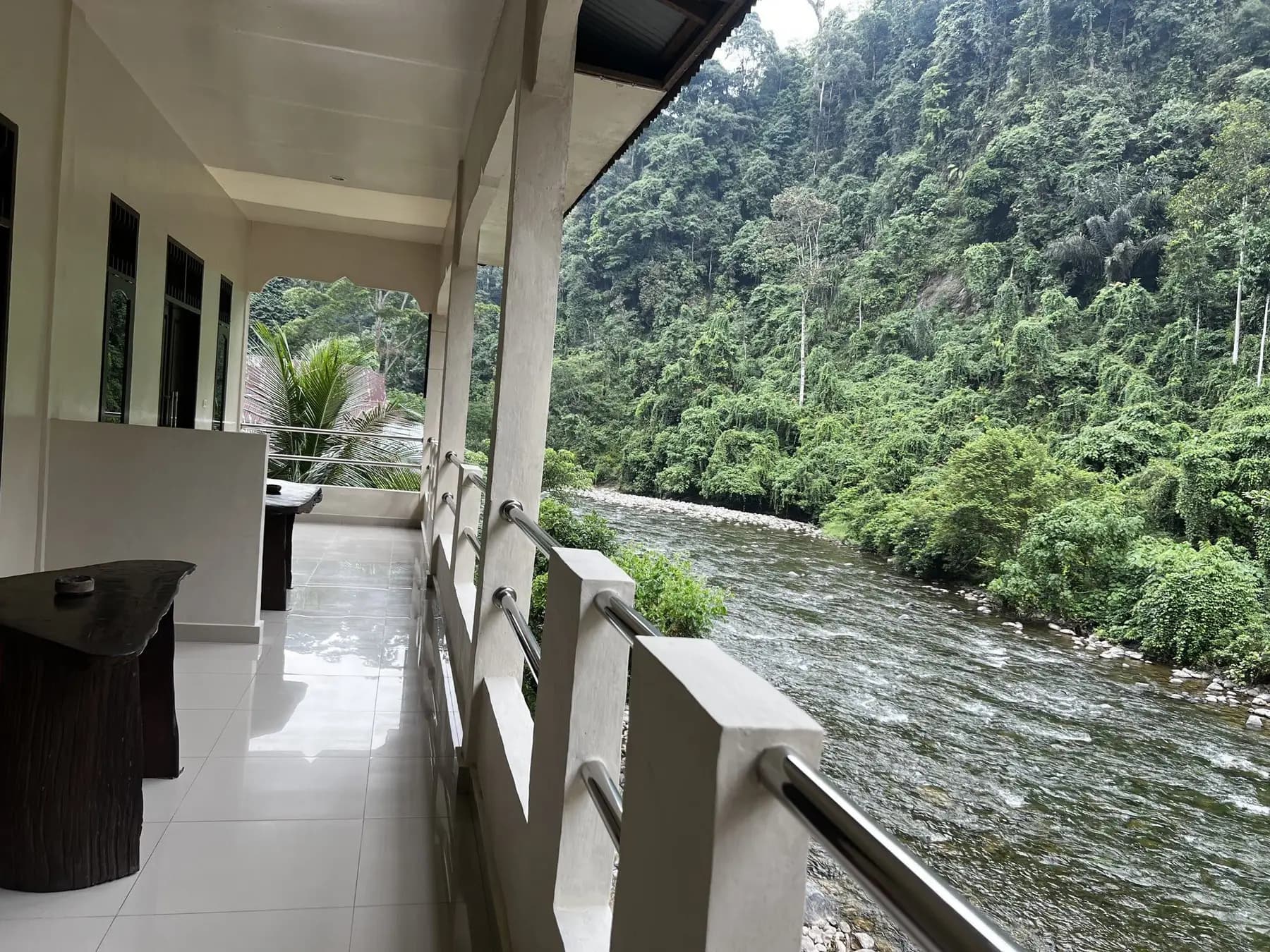
Bukit Lawang sits beside Gunung Leuser National Park, one of the most important remaining habitats for the Sumatran orangutan. Tourism can support local livelihoods and conservation awareness, but only when it is managed with restraint. The forest is not a backdrop. It is the animals' home.
Eco Trails Sumatra builds its trekking around small groups, local guides, and low-pressure wildlife encounters. You can compare our Bukit Lawang jungle trekking packages if you want a route that keeps ethics at the center of the experience.
What ethical orangutan trekking means
Ethical trekking is not just about avoiding one bad behavior. It is a whole approach to the forest.
An ethical orangutan trek should:
- Keep a respectful distance from orangutans and other wildlife
- Never feed, touch, call, chase, or block animals
- Let encounters happen naturally instead of forcing them
- Follow guide instructions around movement and noise
- Keep groups small enough to manage properly
- Avoid litter and unnecessary plastic
- Support local guides who know the forest and village context
- Treat photos as secondary to animal welfare
If a sighting does not happen, the trek still has value. The forest is full of signs, sounds, plants, insects, birds, and river life. Orangutans are not guaranteed props.
Why distance matters
Distance protects both orangutans and visitors. Great apes can be vulnerable to human illness, and human behavior can change animal behavior over time. When people crowd an orangutan, the animal may feel stressed, trapped, or encouraged to interact with humans in unsafe ways.
Good guides manage this without drama. They slow the group down, position guests carefully, and explain when to move away. If your guide asks you to step back, stop taking photos, or leave an area, follow that instruction immediately.
The best wildlife moments often happen when the group is quiet and still. You may see less for a few minutes, then suddenly notice movement above you that a louder group would have missed.
Feeding is not a harmless shortcut
Feeding wildlife may look exciting in a photo, but it creates serious problems. It can make animals approach people, compete around trails, or depend on unnatural food sources. It also increases close contact between humans and orangutans, which is exactly what ethical trekking tries to avoid.
A responsible operator should not use food to attract orangutans. A responsible guest should not offer fruit, snacks, drinks, or leftovers to any wildlife. This applies to monkeys and other animals too, not only orangutans.
If an animal approaches, stay calm and listen to your guide. Do not try to solve the situation yourself with food or movement.
How to choose a responsible trekking operator
Before booking, look for signals that the operator understands both tourism and conservation. You do not need a perfect sales pitch. You need practical answers.
Ask questions like:
- How many guests are usually in one trekking group?
- Who leads the trek, and are they local guides?
- What rules do you follow around orangutans?
- Are guests told not to feed or touch wildlife?
- What is included in the price?
- How are meals, permits, and rafting handled?
- What happens if weather or trail conditions change?
Clear answers matter. Vague claims like "eco friendly" mean little without practical behavior behind them. On our community and conservation page, we explain how local guiding, forest-border stewardship, and guest participation connect to the wider purpose of the trip.
Guest behavior on the trail
Your behavior shapes the experience. Even with a strong guide, the group has to cooperate.
Use these rules:
- Stay with the guide and do not wander toward wildlife.
- Keep voices low when animals are nearby.
- Do not use flash around wildlife.
- Do not eat near orangutans or monkeys.
- Carry your trash back out.
- Ask before flying any device, recording close audio, or setting up large camera gear.
- Accept that the guide may end a sighting early.
The goal is to leave the forest with good memories, not to extract every possible photo.
Semi-wild and wild orangutans
Around Bukit Lawang, guests may hear people describe orangutans as wild or semi-wild. The difference can relate to history, behavior, and previous human contact. For visitors, the rule is simple: treat every orangutan with the same respect.
Do not assume that a calmer animal is safe to approach. Do not assume that a known individual can be treated like a tourist attraction. The guide's job is to read the situation and set boundaries.
An ethical experience does not depend on getting close. It depends on observing without taking control.
Why local guides matter
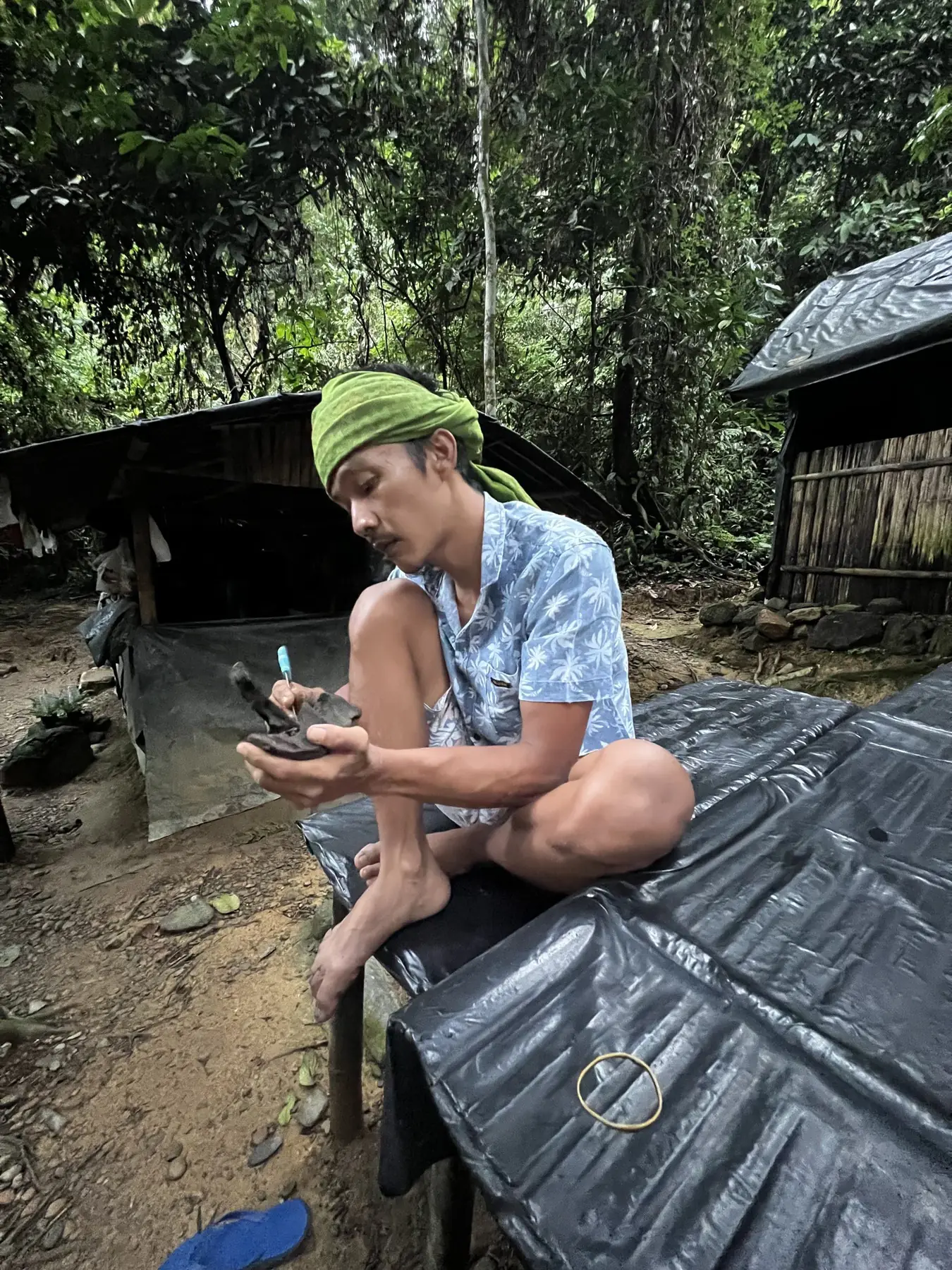
Local guides know more than route directions. They understand river levels, forest sounds, animal signs, village logistics, and how tourism affects the people who live beside the national park. Hiring local crews keeps more value in Bukit Lawang and creates a stronger reason for the community to protect the forest edge.
That is why Eco Trails Sumatra keeps its trips community-led. The trek supports local work, guest education, and future conservation priorities. If you want the deeper route with more time for wildlife tracking and camp life, start with the 3-day orangutan trekking Sumatra itinerary.
A better kind of orangutan photo
The best photo is not always the closest photo. A better image shows the animal in its habitat: branches, canopy, distance, and context. It reminds people that orangutans belong to the forest, not to visitors.
Use zoom when you can. Keep your body language calm. Let branches stay in the frame. The memory will feel stronger because it was not forced.
Final thought
Ethical orangutan trekking is quieter, slower, and more respectful than the version built only for quick photos. That is exactly why it is worth choosing. When guests and guides protect distance, avoid feeding, and keep the forest first, tourism can support Bukit Lawang without turning wildlife into a product.
If that is the kind of trip you want, explore our ethical Bukit Lawang jungle trekking packages or send a direct question before you book.